

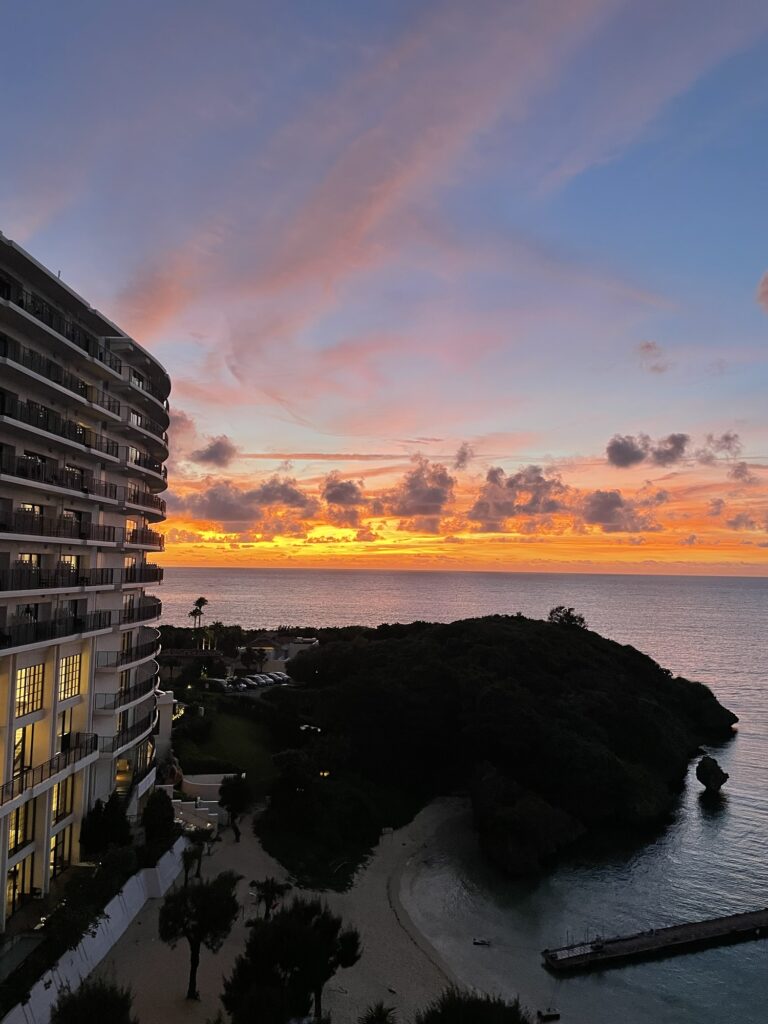
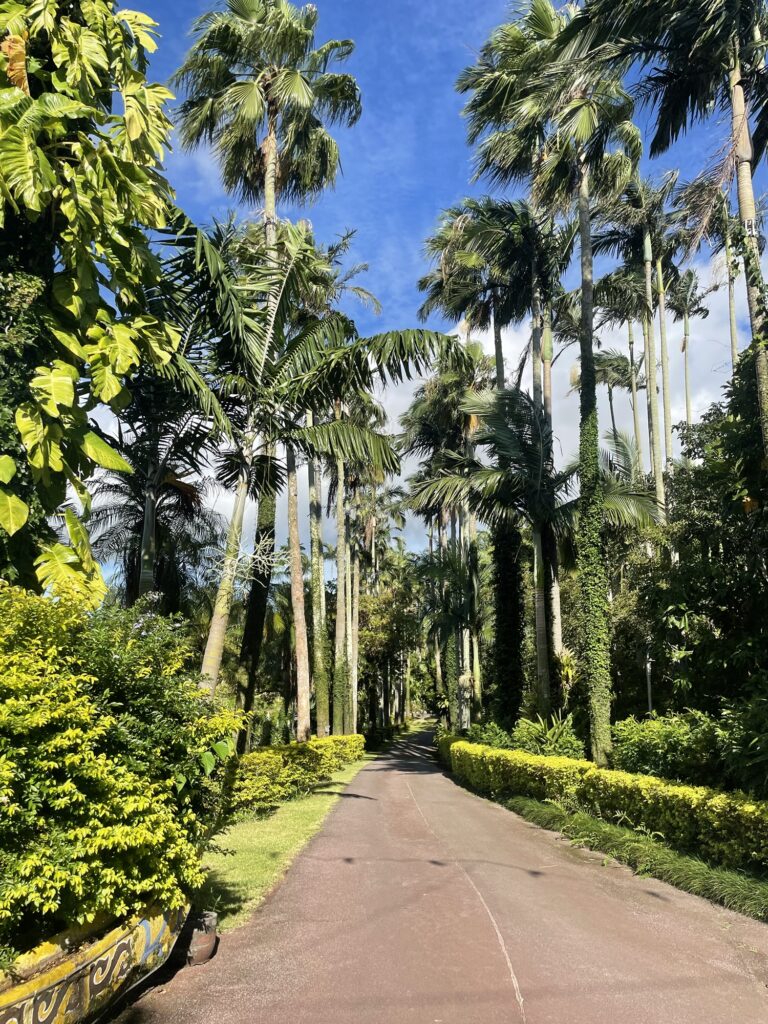
With turquoise waters, subtropical islands, unique cuisine, and a rich Ryukyu heritage, Okinawa offers a slower, more relaxed side of Japan travel. This comprehensive Okinawa travel guide covers everything you need to know—from where to go and what to eat to when to visit and how to get around.




Where Is Okinawa?
Okinawa is a chain of islands located in southern Japan, closer to Taiwan than Tokyo. Historically part of the Ryukyu Kingdom, Okinawa has its own culture, traditions, and cuisine that set it apart from the rest of Japan.
Why Visit Okinawa?
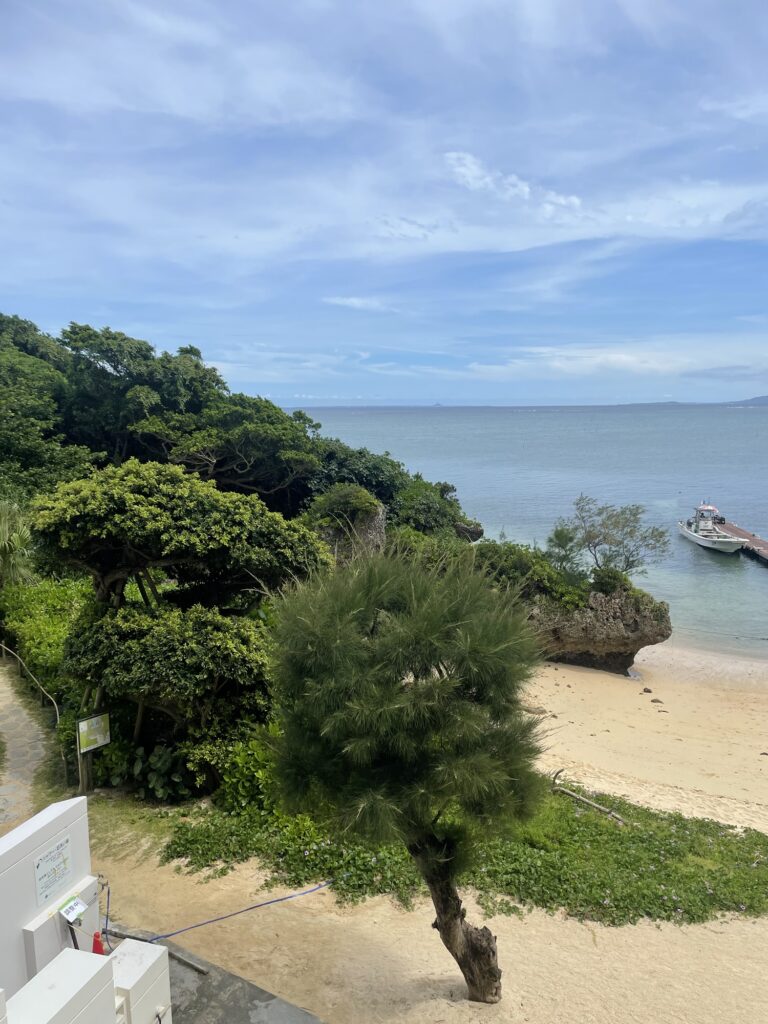
- Crystal-clear beaches and coral reefs
- Warm climate and island lifestyle
- Unique Ryukyu culture and history
- Incredible snorkeling and diving
- A different perspective on Japan travel
Best Places to Visit in Okinawa
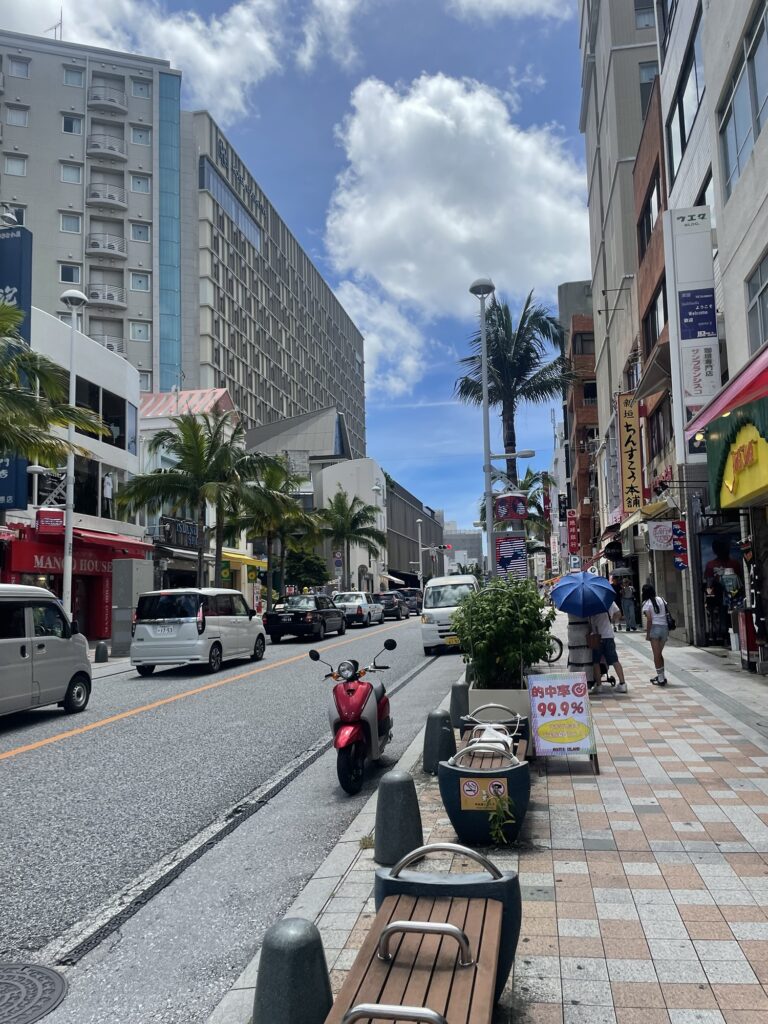
Naha : The gateway to Okinawa, Naha is home to lively markets, traditional streets, and major historical sites.
Shurijo Castle: A UNESCO World Heritage Site and symbol of Okinawan history, once the heart of the Ryukyu Kingdom.
Ishigaki Island: Known for pristine beaches, jungle landscapes, and access to remote islands—perfect for nature lovers.
Miyakojima: Famous for powdery white sand and some of the clearest water in Japan.
Kerama Islands: One of the best snorkeling and diving spots in Okinawa, with vibrant coral and marine life.
Best Time to Visit Okinawa
- April–June: Warm weather, fewer crowds
- July–September: Hot, humid, and typhoon season
- October–November: Pleasant temperatures, great for beaches
- Winter: Mild and quiet, but cooler sea temperatures
Getting Around Okinawa
- Car rental: Best option for flexibility
- Monorail: Useful in Naha
- Flights: Easy island-hopping between Okinawan islands
- Buses: Available but limited outside cities
Renting a car is highly recommended for exploring beyond Naha.
Final Travel Tips
- English is less widely spoken than in Tokyo or Osaka
- Cash is still useful in smaller islands
- Respect local customs and sacred sites
- Plan island travel in advance during peak seasons
Okinawa is one of Japan’s most overlooked destinations. With beautiful beaches, unique culture, and a slower pace, it offers a different side of Japan travel.
